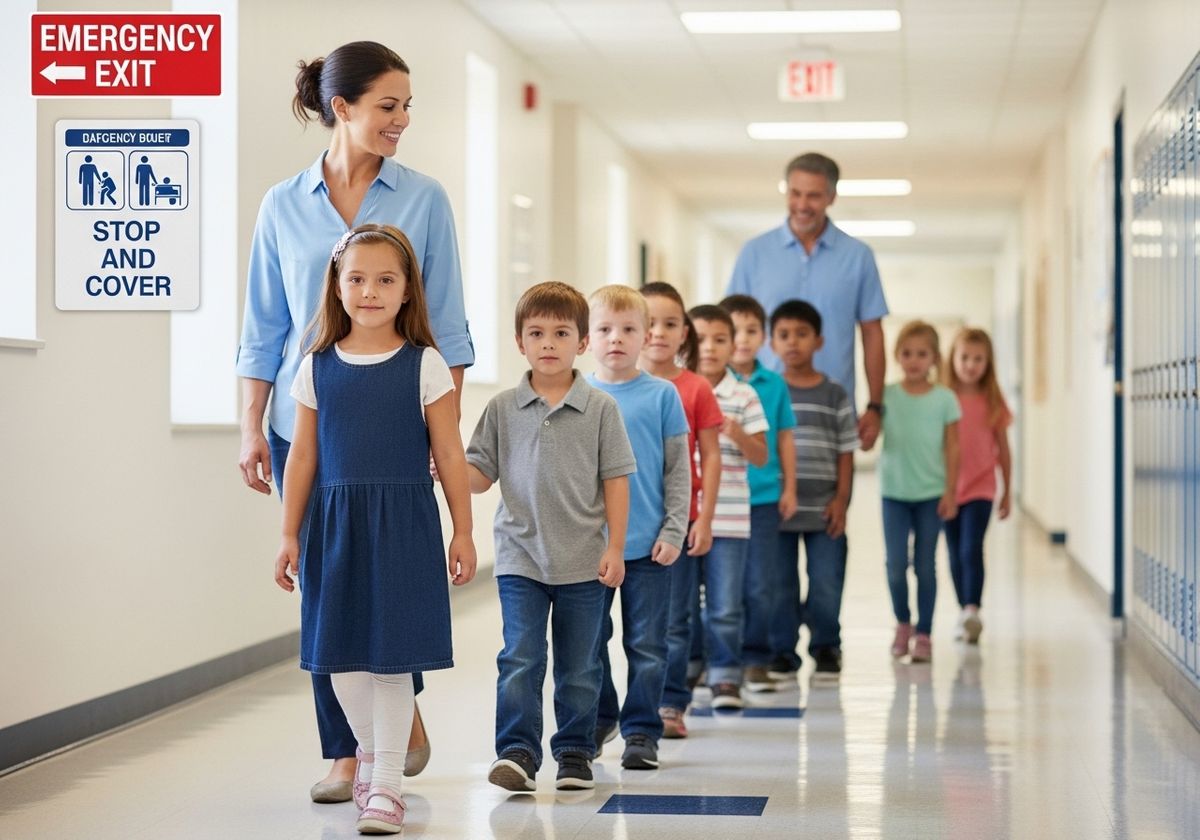
In today's world, ensuring the safety and security of children and students is more critical than ever. Schools, educational institutions, and homes must implement comprehensive protocols to protect our young ones from potential threats. These protocols should cover various aspects, from physical security to emergency response and digital safety. By taking proactive measures, we can create safer environments where children and students can thrive without fear.
Physical Security Measures
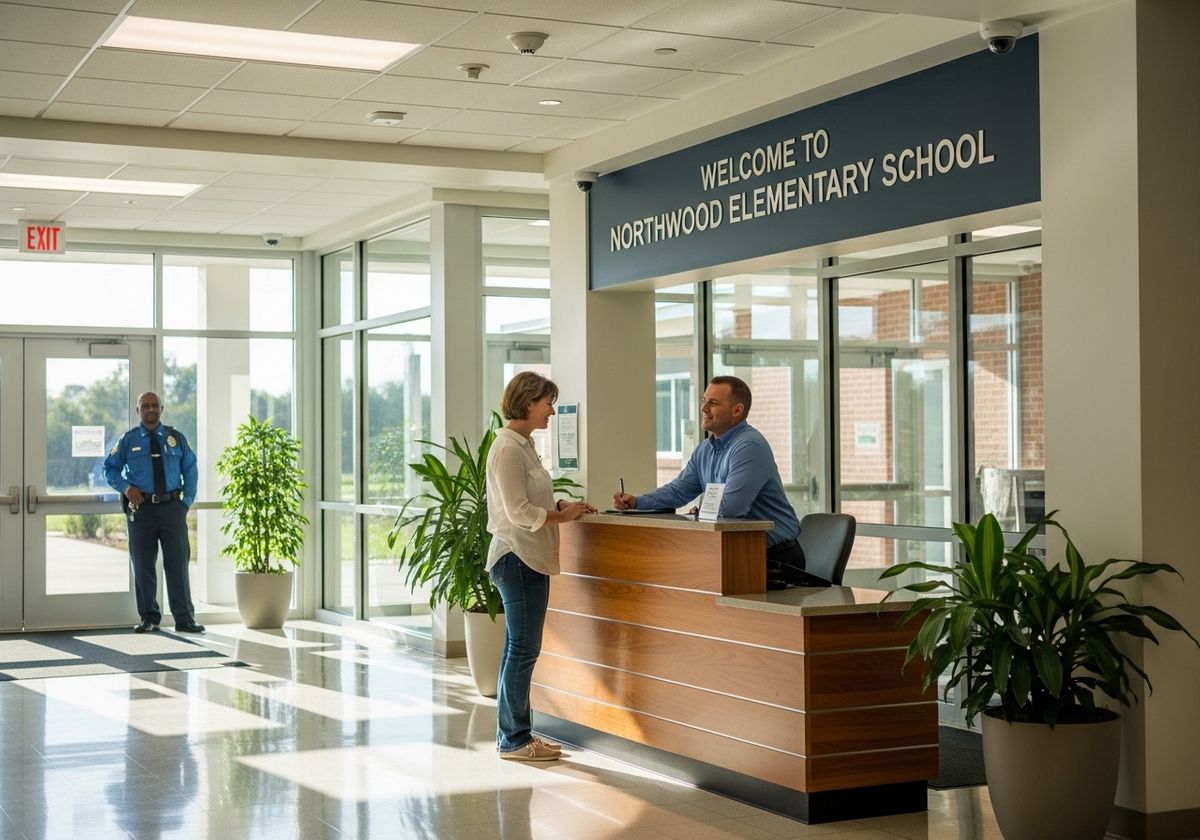
One of the primary aspects of protecting children and students involves implementing robust physical security measures. This includes controlled access to school buildings, well-lit and monitored premises, and trained security personnel. Schools should have clear procedures for visitors, requiring identification and sign-in processes. Regular security assessments can help identify vulnerabilities and areas for improvement. Additionally, collaboration with local law enforcement can enhance security measures and ensure a swift response in case of emergencies.
Emergency Response Protocols
Having well-defined emergency response protocols is crucial for handling various situations, such as fires, lockdowns, or medical emergencies. Schools should conduct regular drills to ensure that students and staff are familiar with the procedures. Clear communication channels and emergency contact lists are essential for disseminating information quickly and efficiently. These protocols should be regularly reviewed and updated to address emerging threats and best practices.
Digital Safety and Cybersecurity
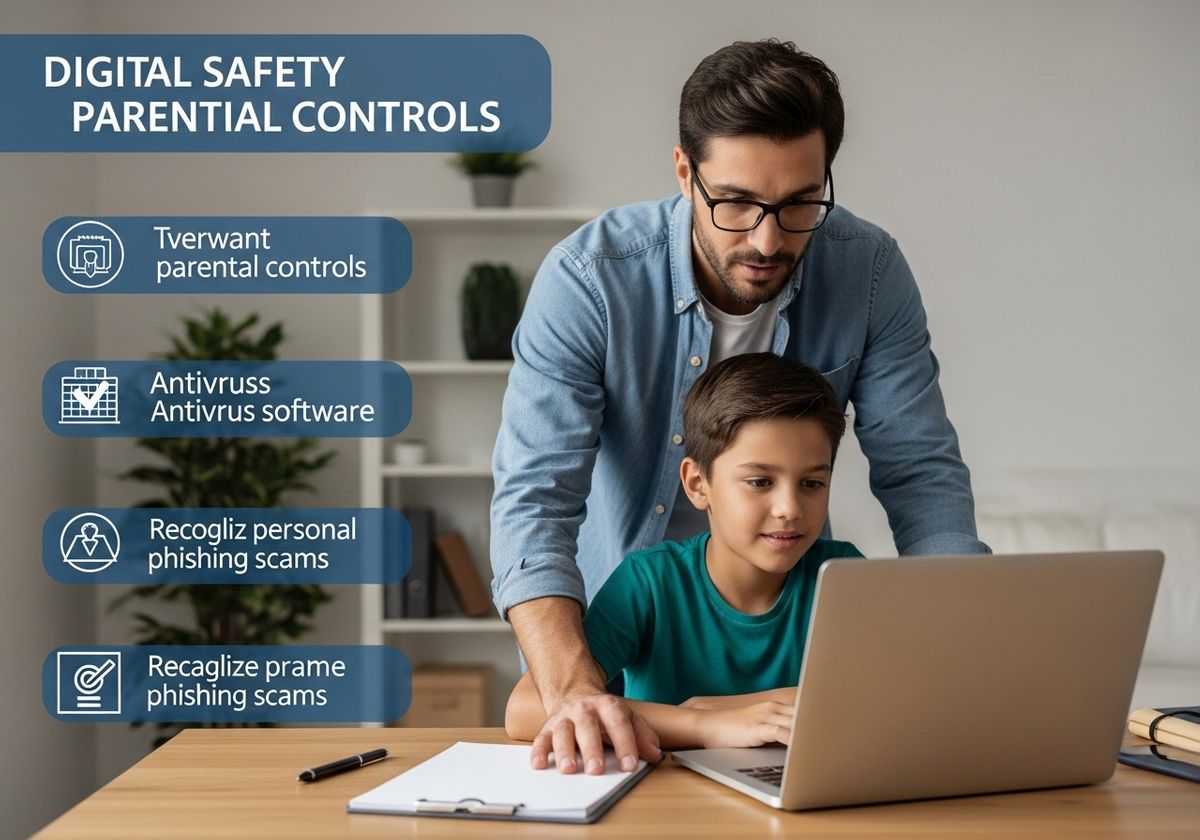
In the digital age, protecting children and students also means addressing online safety and cybersecurity risks. Schools and parents should educate children about safe online practices, including avoiding sharing personal information, recognizing phishing scams, and reporting cyberbullying. Implementing firewalls, antivirus software, and content filters on school and home networks can help protect against online threats. Regular monitoring of online activity and open communication about online experiences can also help identify and address potential issues.
Collaboration and Training
Effective protection of children and students requires collaboration between schools, parents, law enforcement, and the community. Regular meetings and communication can help ensure everyone is on the same page and working towards the same goals. Training for staff and students on security protocols, emergency response, and digital safety is essential. This training should be age-appropriate and tailored to the specific needs of the community.
Protecting children and students requires a multifaceted approach that includes physical security, emergency response, digital safety, collaboration, and training. By implementing comprehensive protocols and working together, we can create safer environments where our young ones can thrive. At Nightingale Risk Management, we understand the importance of safety and security. As a veteran and woman owned and operated firm founded in 2024, our Portland, Oregon area clients benefit from our commitment to professionalism and problem-solving. Our team consists of experienced ex-law enforcement and veteran personnel, feel free to contact us to learn more about how our security solutions can support your commitment to safety. Be sure to also check out our other resources to continue learning about safety and security protocols.