
When disaster strikes, being prepared can make all the difference. The "72-Hour Rule" is a cornerstone of disaster preparedness, emphasizing the need for individuals and families to be self-sufficient for at least 72 hours following an emergency. This concept is based on the understanding that in the immediate aftermath of a disaster, emergency services may be overwhelmed and unable to reach everyone right away. Having a well-thought-out plan and a readily available emergency kit can significantly improve your ability to cope and stay safe during those critical first few days.

Understanding the 72-Hour Rule
The 72-hour rule encourages you to prepare for a minimum of three days of self-sufficiency. This means having enough supplies to meet your basic needs, such as food, water, shelter, and first aid, without relying on external assistance. The concept is rooted in the reality that emergency responders will prioritize those with the most urgent needs, and it may take time for aid to reach everyone affected.
Building Your 72-Hour Emergency Kit
A comprehensive emergency kit is essential for adhering to the 72-hour rule. Here are some key items to include:
Water: Aim for at least one gallon of water per person per day for drinking and sanitation.
Food: Stock non-perishable, easy-to-prepare foods like canned goods, energy bars, and dried fruits.
First Aid Kit: Include essential medical supplies, such as bandages, antiseptic wipes, pain relievers, and any personal medications.
Shelter: Pack emergency blankets or sleeping bags to provide warmth and protection from the elements.
Lighting: Flashlights or battery-powered lanterns are essential for navigating in the dark.
Communication: A battery-powered or hand-crank radio can provide updates and information.
Tools: A multi-tool or utility knife can be invaluable for various tasks.
Personal Items: Don't forget personal hygiene items, medications, and copies of important documents.
Developing a Disaster Preparedness Plan
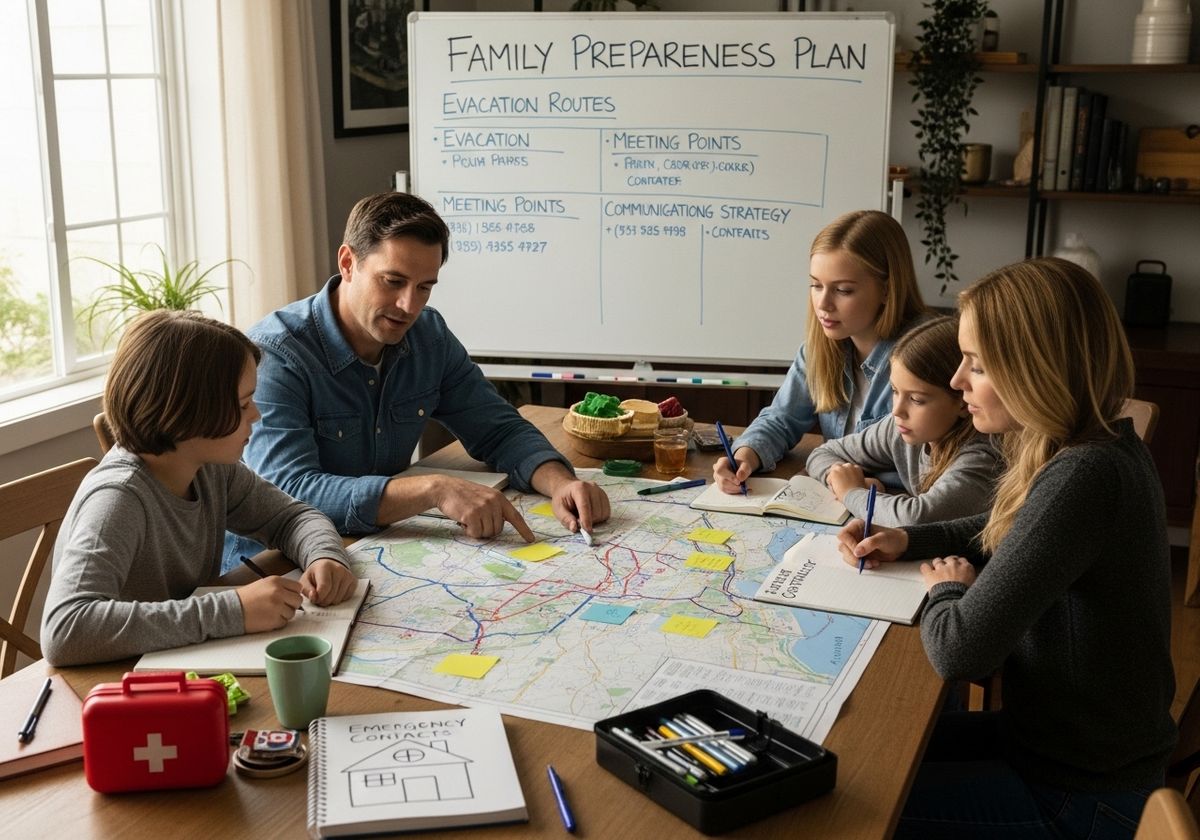
In addition to building an emergency kit, it's crucial to develop a comprehensive disaster preparedness plan. This plan should outline:
Evacuation Routes: Identify safe evacuation routes from your home, workplace, and other frequently visited locations.
Meeting Points: Designate meeting points for family members in case you are separated during an emergency.
Communication Strategy: Establish a communication plan, including contact information for family members and emergency services.
Emergency Contacts: Keep a list of emergency contacts readily available.
Practice Drills: Conduct regular drills to ensure everyone knows what to do in an emergency.
UHNW Estate Security Protocols and Executive Protection in the Pacific Northwest
For individuals with high-net-worth estates or those requiring executive protection in the Pacific Northwest, disaster preparedness takes on an even greater significance. Implementing robust UHNW estate security protocols and executive protection measures can help mitigate risks and ensure the safety of individuals and their families during emergencies. These protocols may include:
Advanced Threat Assessments: Conducting thorough threat assessments to identify potential risks and vulnerabilities.
Secure Communication Systems: Establishing secure communication channels to maintain contact during emergencies.
Trained Security Personnel: Employing trained security personnel to provide protection and assistance.
Emergency Evacuation Plans: Developing detailed emergency evacuation plans tailored to specific properties and locations.
Preparing for disasters is not just about having the right supplies; it's about having a plan and being ready to act. By following the 72-hour rule and taking proactive steps to enhance your preparedness, you can significantly increase your resilience in the face of adversity. At Nightingale Risk Management, a veteran and woman owned and operated firm founded in 2024, we understand the importance of security and preparedness. From armed and unarmed security, to our team of experienced ex-law enforcement and veteran personnel, we're dedicated to providing top-notch security solutions. Contact us today to learn more about how we can help you develop a comprehensive security plan tailored to your specific needs or reach out for a security consultation to review your UHNW estate security protocols or discuss your executive protection needs in the Pacific Northwest.